The Data Systems Architect
You can write SQL. This module is about where that SQL actually runs: how real data systems are built, scaled, and defended once one machine stops being enough.
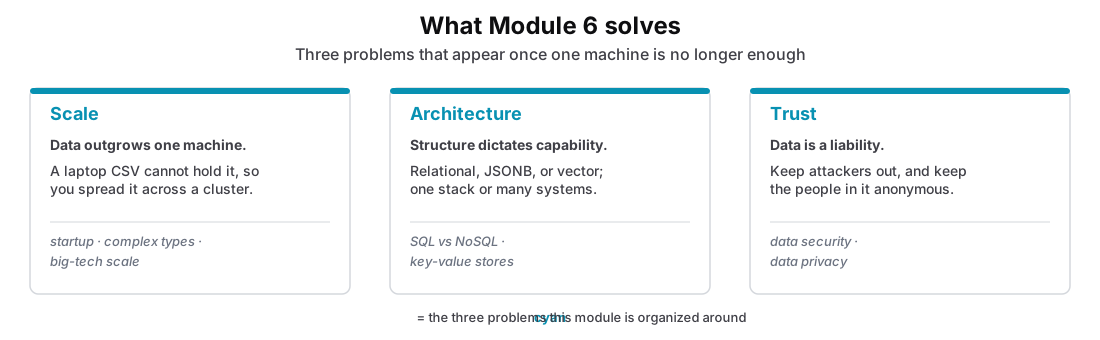 Figure: What Module 6 solves: scale, architecture, and trust once one machine is not enoughThree cyan panels naming the problems this module solves. Scale: data outgrows one machine, so you spread it across a cluster (the startup, complex-types, and big-tech-scale pages). Architecture: data structure dictates capability, choosing relational, JSONB, or vector, and one stack or many systems (the SQL-vs-NoSQL and key-value pages). Trust: data is a liability, so you keep attackers out and keep people anonymous (the security and privacy pages). Color key: cyan marks the three problems the module is organized around.
Figure 1. Three constraints drive system design. Scale: a dataset exceeds one machine, so the system partitions data across a cluster and the engine must match the hardware limits at that scale. Architecture: a data model (relational, JSONB, vector) and a deployment choice (one system or several) determine which features applications can implement. Trust: a large dataset increases exposure, so the system must block attackers and preserve anonymity for people represented in the data.
We follow the scale journey from the smallest sensible setup upward.
Case Study: OpenClaw's Memory → Start with a system you already use: an AI agent. Its memory is a folder of files with a search index, and every trick it plays is an idea from this course.